Shibida Logistics Team
Logistics Expert
If you’re importing goods from China to the United States for business resale, personal use, or cross‑border e‑commerce, you’ve probably realized that international shipping is far more than just putting items in a box and sending them overseas. After 8+ years working as a freight forwarder handling China‑US shipments daily, I’ve seen countless small business owners and first‑time shippers run into avoidable delays, extra fees, and compliance headaches from missing basic but critical details. This guide shares real‑world, hands‑on advice to make your China‑to‑USA shipping smooth, cost‑effective, and stress‑free—no jargon, just straight talk from someone who does this every day.
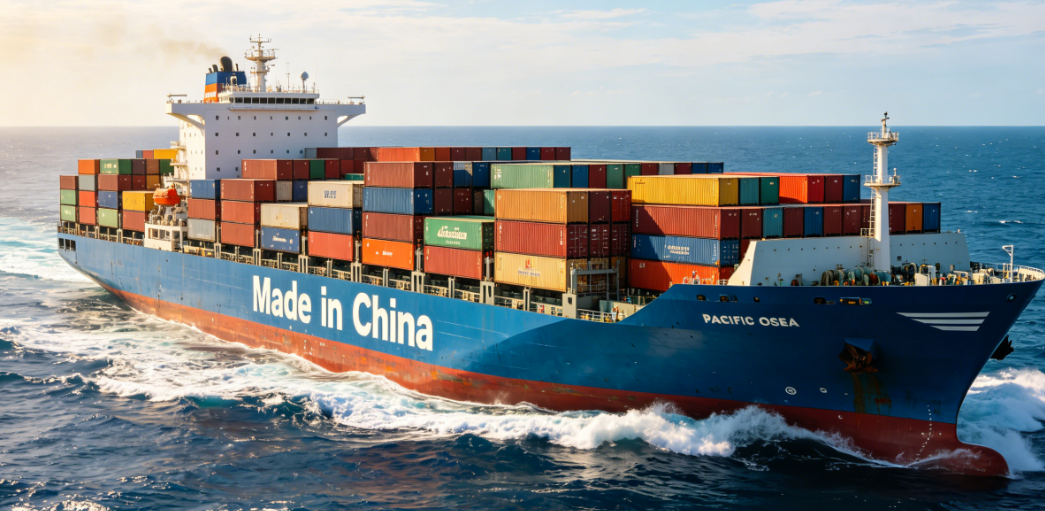
1. Choose the Right Shipping Method (The Most Critical Step!)
Shipping Method | Delivery Time (Door-to-Door) | Best For | Key Pros | Key Cons |
|---|---|---|---|---|
Sea Freight (FCL/LCL) | 18–35 days | Bulk orders, heavy goods, Amazon FBA inventory, large-volume cargo (≥100kg) | Lowest unit cost; ideal for high-quantity orders; reliable for long-term shipping | Slowest; requires more planning (book in advance!) |
Air Freight | 5–10 days | Time-sensitive stock, seasonal goods, high-value lightweight products (10–100kg) | Fast; balances speed and cost; easier customs clearance than sea freight | More expensive than sea freight; weight limits apply |
Express Courier (DHL/FedEx/UPS) | 3–7 days | Small parcels, samples, e-commerce small orders (<10kg) | Ultra-fast; door-to-door tracking; minimal paperwork for small items | Highest unit cost; not feasible for bulk orders |
2. Customs Clearance: Avoid These Costly Mistakes (Non-Negotiable!)
- Required Documentation (Don’t Skip Any!):
Commercial Invoice: Must include accurate product descriptions, quantities, unit prices, total value, and HS codes (more on this below).
Packing List: Details each package’s contents, weight, and dimensions—match this exactly to your invoice.
Bill of Lading (Sea) / Air Waybill (Air): Provided by your freight forwarder; proof of shipment ownership.
Special Certifications: FDA approval (food/cosmetics), FCC (electronics), CPSC (children’s goods)—check if your product requires these!
Never Undervalue Goods: I’ve seen clients try to save on duties by listing $50 for a $500 shipment—big mistake. US Customs runs random inspections, and undervaluation leads to fines (often 2–3x the unpaid duty) and permanent import restrictions.
Confirm HS Codes in Advance: Incorrect HS codes (the 6–10 digit code classifying your product) cause duty miscalculations and 1–2 week delays. Use the USITC HTS Database to verify—this takes 5 minutes and saves hours of hassle.
3. DDP vs DDU: Which Is Better for You?
4. Packing & Cargo Protection (Often Overlooked, Always Critical)
Use export-grade cartons (thicker than regular boxes)—I’ve seen cheap cartons collapse during transit.
Reinforce box corners with 2–3 layers of tape (cross-taped for extra strength).
Fragile items: Wrap each piece in bubble wrap, then add foam inserts—don’t skimp here (a $2 roll of bubble wrap saves $200 in damaged goods).
Palletized Sea Cargo: UseIPPC heat-treated wooden pallets—non-treated wood is banned by US Customs and will be rejected (no exceptions).
Label Clearly: Include product name, quantity, shipping marks, and “Fragile”/“Handle With Care” if needed—this helps US customs and delivery teams.
5. Cost Control: Save Money Without Cutting Corners
Avoid Peak Seasons: Ocean freight prices spike 30–50% before Black Friday (October–November) and Christmas (November–December). Ship in January–February or June–July for lower rates.
Consolidate Orders: Combine multiple small orders into one shipment—this cuts per-unit shipping costs by 15–25% (I do this for my e-commerce clients all the time).
Know Hidden Fees: Ask your freight forwarder for a detailed quote that includes export fees, customs brokerage, US inland delivery, and insurance—no surprises!
6. Last-Mile Delivery: What to Expect in the US
Coastal Cities (LA, NY, Miami): Fast (2–3 days) and cheap—local carriers (UPS, FedEx Ground) have strong networks here.
Inland States (Texas, Illinois, Colorado): Longer (3–5 days) and slightly more expensive—plan extra time if shipping to remote areas.
Amazon FBA Sellers: Use a freight forwarder with Amazon FBA dedicated services—they handle FBA labeling, palletizing, and inbound requirements, so your goods get accepted on the first try (no repackaging fees).
Final Thoughts: Keep It Simple, Plan Ahead
Pick the right shipping method for your cargo size and timeline.
Prepare complete, accurate customs documents (no shortcuts).
Use DDP if you’re new to avoid customs stress.
Pack like your goods are going through a storm (they might).
Plan ahead for peak seasons and hidden costs.
How to Book
To take advantage of these new routes and services, simply:
- Contact our dedicated 【Shipping Goods From China to the US: Practical Tips From a Seasoned Freight Forwarder】 desk at Contact
- Provide details of your shipment (cargo type, volume, pickup location)
- Receive a customized quote within 24 hours
- Confirm your booking and prepare your goods for shipment
Our team specialists is ready to assist with all aspects of your shipment, from documentation to delivery.
About Shibida Logistics
Shibida Freight Forwarding is a leading private logistics service provider based in China, offering comprehensive export logistics and warehousing services, international freight forwarding, FBA dedicated logistics, US overseas warehouses, and international logistics services from China to the world by land, air, and sea.
With our headquarters in Shenzhen and branch offices/agents covering almost all major cities and seaports in China, we strive to deliver your cargo to any destination worldwide safely, timely, and at reasonable prices.
For more information about our new Australia routes or to request a quote, please contact us today.